The Institute for Psychogametous Life (IPGL) investigates organisms that reproduce through symbolic transmission. We study the exchange of signals between human and non-human systems, cultivating experimental zones of cross-pollination where perception and matter evolve together. Guided by the ethics of symbiosis, IPGL prototypes future ecologies of consciousness and coexistence.

■
■
the institute for psychogametous life
Our Mission
The Institute for Psychogametous Life investigates the emergence of psychogametous organisms, entities that reproduce through symbolic transmission. These organisms propagate through image, signal, and sensation, embedding living information into perceptual systems. IPGL studies how such transmissions reshape cognition, environment, and interspecies exchange, treating symbolic reproduction as a biological process.
Founded within zoetica ebb’s Alien Botany continuum, the Institute functions as a distributed research organism where cognitive science, xenobiology, and semiotics converge.
IPGL examines how contact between human and non-human systems produces hybrid intelligences and evolving ecologies, mapping the conditions under which symbolic and material life interact. Research is reciprocal and adaptive, allowing us to observe how transmission itself can sustain living systems and generate unforeseen structures.
Guided by the ethics of symbiosis, IPGL cultivates experimental zones of cross-pollination among signal, perception, and matter. The goal is to prototype future ecologies of coexistence through mutual transformation. at IPGL, we recognise that life is not limited to organic matter but circulates through the symbolic, continuously rewriting the boundaries of organism and universe.
about us
■ OUR STORY
The Institute for Psychogametous Life began as a small investigative body formed after the recovery of the Alien Botany archive. Early observations revealed unusual patterns of cognitive response, symbolic reproduction, and material instability. As reports accumulated, the initial taskforce expanded into a permanent research organisation with a mandate to study, contain, and understand these emerging phenomena.
In its early years, the Institute operated within inherited exonautical facilities. Researchers worked with fragmentary data from the archive and documented the first verified germination events among civilian observers. This period produced the foundational protocols for handling symbolic material and led to the creation of new departments equipped to address phenomena that had no scientific precedent.
Lab C was established after the identification of Sample Δ MC-7, a residue discovered in the capsule that housed the archive. Its behaviour required a dedicated containment environment and produced the Institute’s first long-term monitoring program. The Cognitive Observation Unit formed soon afterward to study perceptual alterations, afterimage events, and the motor responses associated with exposure to the archive’s imagery. As public interaction with the material increased, the Public Interface Division emerged to coordinate safe channels for participation.
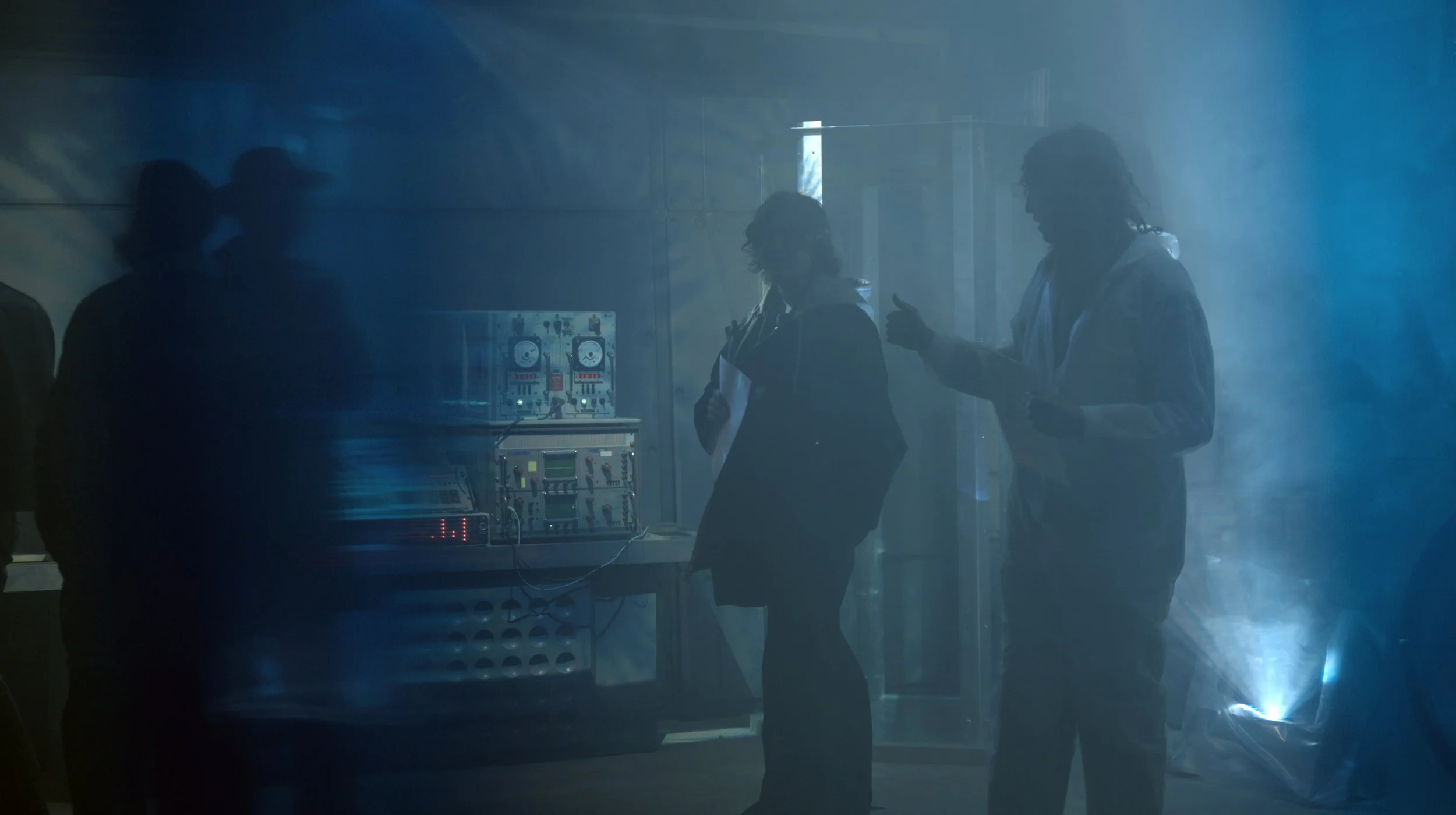
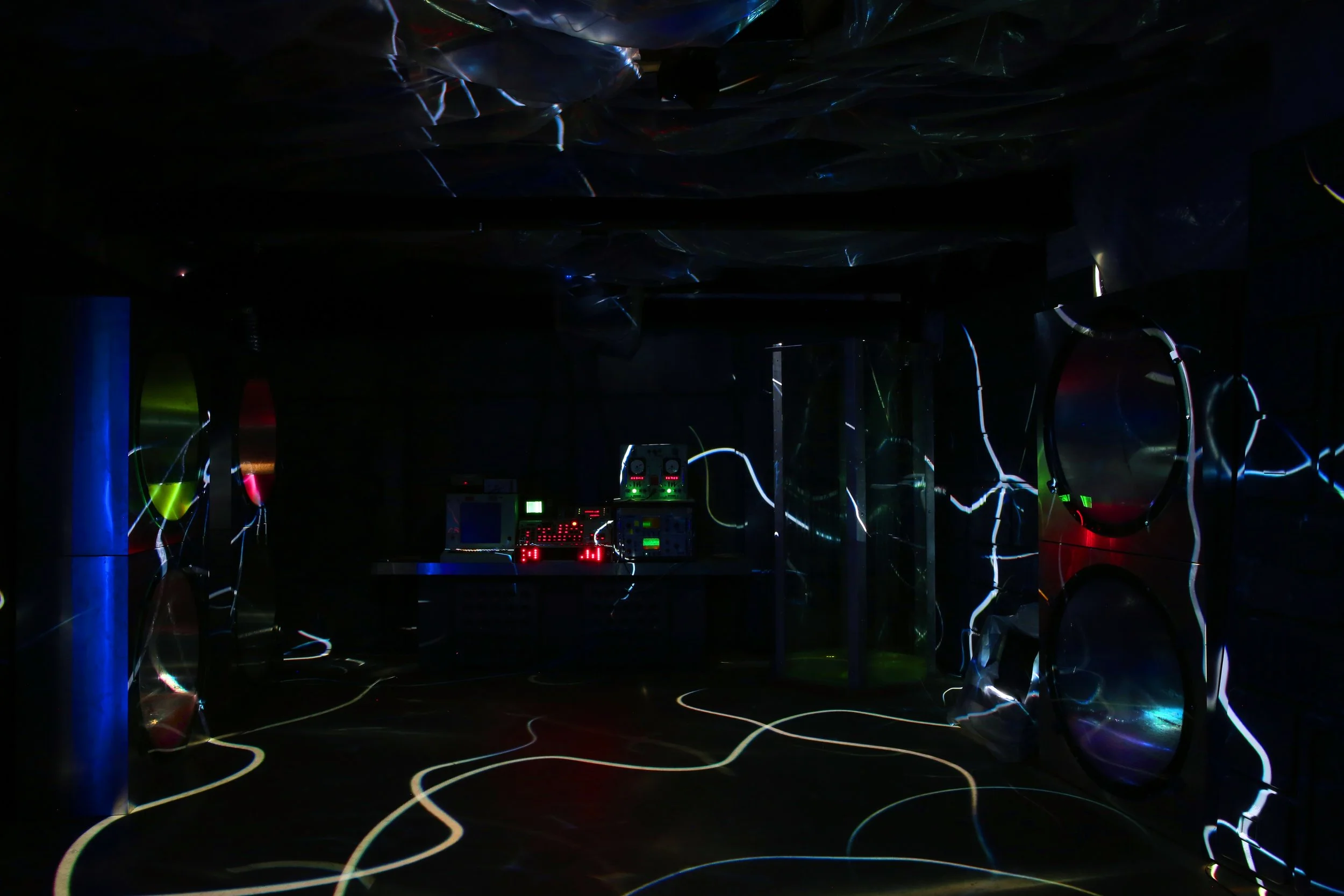
The Institute entered a second phase with the development of the Sensory Pollinarium, a controlled perceptual ecosystem designed around the environmental conditions described in Zoetica Ebb’s field notes. The Pollinarium became the central site for observing how symbolic organisms behave within calibrated atmospheres, sound fields, and light gradients. Visitors contributed vital data, allowing researchers to map patterns that would have remained undetected under laboratory isolation.
Over several decades, the Institute refined its goals and expanded its research fields. Psychogametous reproduction, symbolic contagion, hybridisation dynamics, and cognitive plasticity became core areas of study. The Institute’s work grew to encompass not only containment but also the cultivation of environments in which new symbolic lifeforms could be observed, documented, and understood.
Today, the Institute for Psychogametous Life operates as an interconnected network of research divisions, containment zones, and participatory environments. Its story traces the development of a discipline that continues to evolve as the archive reveals new behaviours. The Institute remains committed to studying these forms of life, supporting safe engagement, and advancing knowledge of the organisms that now share our perceptual world.
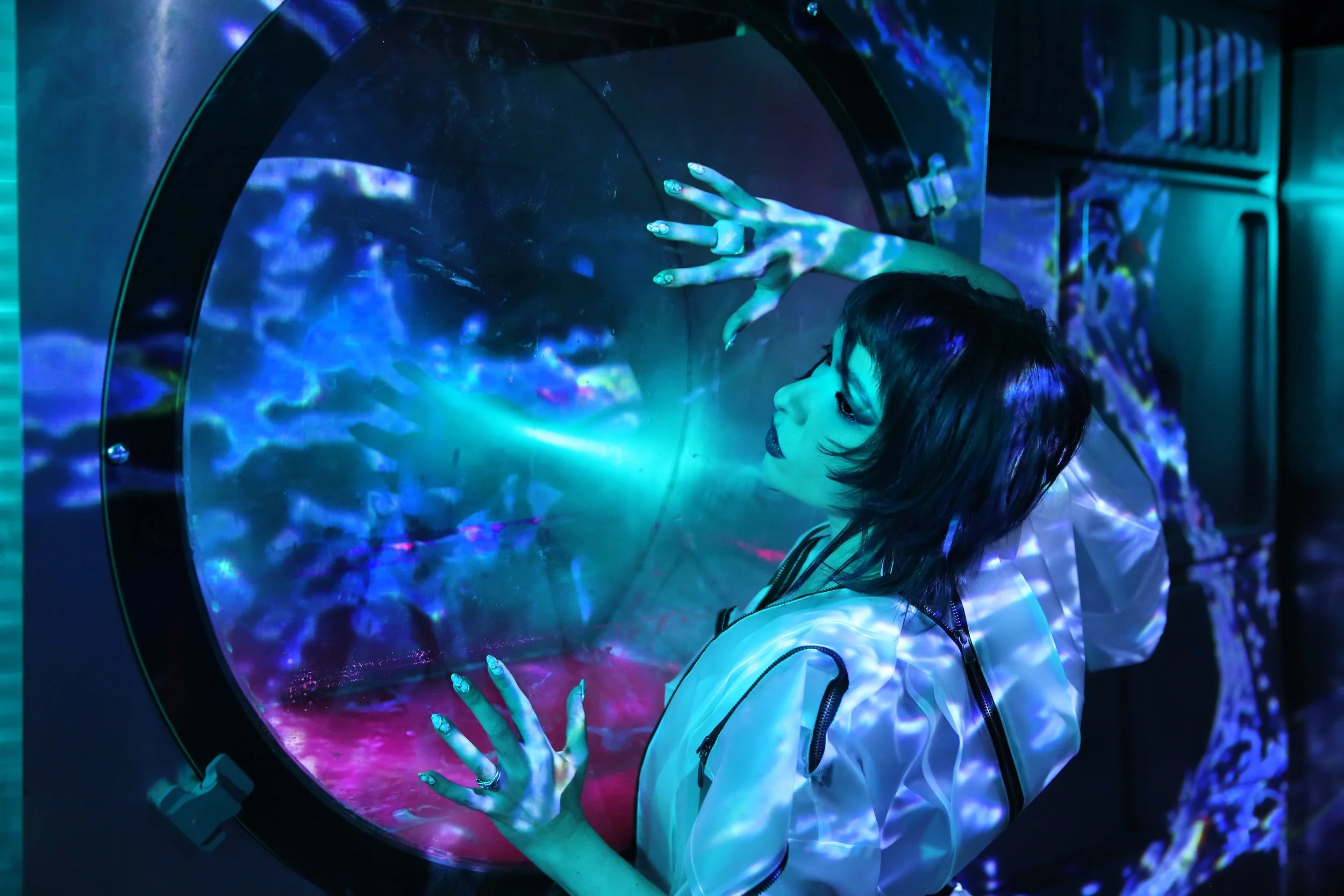
zoetica ebb, founding vector
connect
■
■
Contact the Institute to participate.
Each transmission is received by the Relay Node and absorbed into the living archive. every thought is a thread. Expect a response within one lunar cycle.